



Already in Prehistoric times, as well as throughout the historic period, the Alpujarra was chosen as a place of settlement for different groups, who have managed to see in it an incomparable wealthy territory. In the Alpujarra, other cultures emerged, and others who had a close source also settled in the area. And here they have left, in varying degrees, traces of their existence.
This is reflected in the numerous archaeological sites that have survived. Thus, archaeology, through excavations and prospecting, has provided important data on the occupation of this territory in different historic periods.
This information is attached to the information offered by written sources, which is rather scarce. Roman and Arabic texts cite the region very superficially, being its historic knowledge more complete in Moorish times. The first reference to the Alpujarras in an Arabic text dates from the time of the emir Hisan I (796-798), which recounts war events in the area.
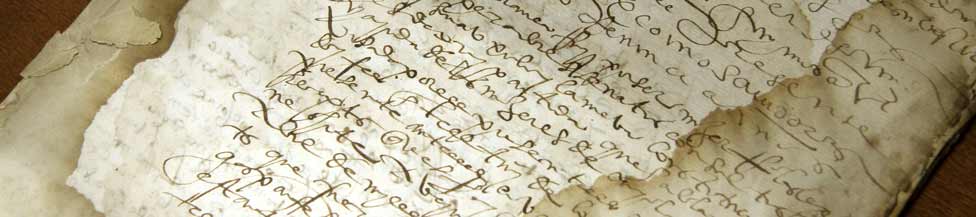
The richest information we have about it comes from documentary data generated after the Spanish conquest. It deals with economic elements, administrative divisions, geographical-political structure and social and cultural traits. These are especially the Habices books and the Apeo books.
Having been the scene of two uprisings, one of Mudejars and another of the Moriscos, it appears as a protagonist in important works (History of the rebellion and punishment of the Moors of Luis del Marmol Carvajal; The War of Granada Diego Hurtado de Mendoza).